
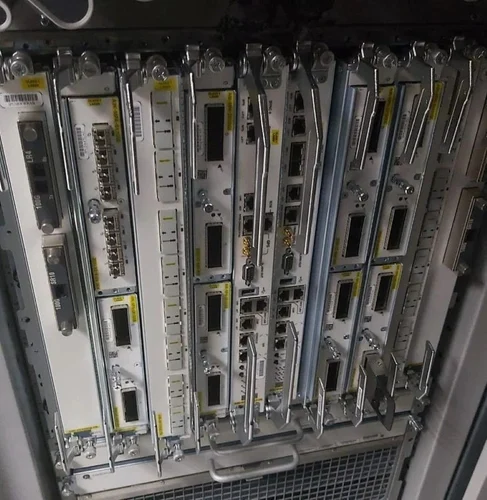
As businesses upgrade their IT infrastructure, network switches eventually reach the end of their operational lifecycle and require proper disposal. Instead of treating outdated hardware as ordinary waste, many organizations work with a bulk networking switch buyer to ensure secure handling, value recovery, and environmentally responsible processing of retired equipment.
Disposing of network switches involves much more than simply removing them from server rooms or office spaces. A structured approach helps businesses protect valuable data, maintain accurate asset records, recover usable components, and support sustainable recycling practices. Considering the right factors before disposal ensures that the entire process remains organized, efficient, and beneficial for both the business and the environment.
Evaluating the Condition of Network Switches
Before beginning the disposal process, businesses should carefully evaluate the condition of every network switch. Some devices may still be fully operational, while others may require minor repairs or have reached the end of their usable life. Understanding the condition of each asset helps determine the most suitable disposal method.
A detailed evaluation also helps organizations identify equipment that can be refurbished or resold instead of immediately recycled. This approach maximizes the remaining value of retired hardware while reducing unnecessary electronic waste. Proper assessment allows businesses to create an organized disposal plan based on each device’s condition and potential.
Maintaining Accurate Asset Documentation
Maintaining complete documentation is an important factor during network switch disposal. Every device should be recorded with details such as model number, serial number, installation location, and operational status before removal begins.
Accurate records simplify inventory management and help organizations monitor every asset throughout the disposal process. Businesses working with a bulk networking switch buyer often benefit from organized documentation, as it improves transparency, facilitates efficient collection, and reduces the risk of equipment being misplaced during large-scale clearance projects.
Protecting Network Configuration and Business Data
Businesses should ensure all configurations are removed, passwords are reset, and sensitive information is erased before equipment leaves the premises. Organizations seeking a bulk network switch buyer in Abu Dhabi generally prioritize service providers that follow secure data protection procedures throughout the disposal process.
- Configuration Backup
Before resetting or removing any network switch, businesses should create secure backups of existing configurations if the settings may be required for future deployments or reference purposes. Maintaining backups allows IT teams to restore network environments quickly when similar equipment is installed later.
- Secure Reset Procedures
Every network switch should be restored to factory settings before disposal. Removing stored credentials, IP addresses, user accounts, and customized configurations helps eliminate security risks and protects sensitive business information from unauthorized access.
- Password and Access Removal
Administrative passwords, authentication keys, and remote management settings should be completely removed before equipment is transported. This additional security step prevents retired devices from exposing confidential network information.
- Verification Before Collection
Before switches are packed for transport, IT teams should verify that all security measures have been completed successfully. A final review ensures no device leaves the facility with active configurations or recoverable business information.
Choosing Organized Collection and Transportation
The collection and transportation stage plays a significant role in protecting retired network switches throughout the disposal process. Proper handling reduces the risk of physical damage and ensures that every asset reaches the processing facility safely.
Businesses should establish clear transportation procedures, especially when disposing of large quantities of networking equipment across multiple office locations. Organized logistics improve efficiency and minimize operational disruption.
- Protective Packaging
Network switches should be packed using suitable protective materials to prevent scratches, broken ports, or internal damage during transportation. Proper packaging helps preserve equipment that may still have resale or refurbishment value.
- Identification Labels
Each device should receive a clear identification label before collection. Proper labeling allows businesses to monitor equipment throughout transportation and simplifies verification upon arrival at the processing facility.
- Scheduled Pickup Coordination
Collection schedules should be planned in line with business operations to minimize disruption. Coordinating pickup times with different departments ensures that equipment removal is completed smoothly without affecting daily activities.
- Transportation Records
Every shipment should include detailed transportation records listing the quantity and identification of all collected network switches. These records provide accountability and help maintain complete asset tracking from pickup to processing.
Assessing Reuse and Refurbishment Potential
Not every retired network switch has reached the end of its useful life. Many devices continue to perform efficiently after minor maintenance, software updates, or hardware cleaning. Assessing reuse potential allows businesses to recover additional value from existing assets instead of sending everything directly for recycling.
Professional evaluation also helps determine whether individual components can be reused for repairs or integrated into refurbishment projects. Extending the operational life of networking equipment supports cost savings while reducing the overall volume of electronic waste generated by businesses.
Prioritizing Environmentally Responsible Recycling
After reusable and refurbishable network switches have been separated, the remaining equipment should be processed through environmentally responsible recycling methods. This ensures that valuable materials are recovered while non-reusable components are handled safely and in accordance with environmental standards.
Responsible recycling also helps businesses reduce electronic waste and support sustainable resource management. By following structured recycling practices, organizations help conserve natural resources while ensuring retired networking equipment is managed in an environmentally conscious manner.
Understanding Value Recovery Opportunities
Network switch disposal can also provide financial benefits when assets are evaluated correctly. Equipment that remains functional or requires only minor refurbishment may still have market value, making recovery of value an important consideration.
Organizations that evaluate resale opportunities before recycling often maximize returns from retired networking equipment. Proper assessment helps determine whether complete devices or individual components can generate additional value.
Conclusion
Proper network switch disposal involves careful planning, secure handling, technical evaluation, and environmentally responsible recycling. By considering each stage of the disposal process, businesses can protect valuable assets, recover remaining value, and reduce their environmental impact while maintaining efficient IT operations.
Organizations looking for reliable support can confidently choose E-Waste IT Recycling for professional network equipment disposal services. Businesses searching for a bulk network switch buyer in Abu Dhabi benefit from organized collection, secure asset handling, responsible recycling practices, and a structured approach that supports sustainable IT asset management.