

Key Takeaways
- A thoughtfully designed art and craft studio encourages creativity across all ages.
- The right balance of structure and freedom makes sessions enjoyable and productive.
- A welcoming art jam studio creates space for connection, expression, and stress relief.
- Good lighting, quality materials, and supportive facilitators make a lasting difference.
- In Singapore’s fast-paced lifestyle, creative spaces offer a much-needed pause.
Introduction
Creative spaces have a quiet kind of power. Step into a well-designed art and craft studio and something shifts. Conversations soften. Shoulders relax. Paint tubes, sketch pads, and half-finished canvases invite curiosity rather than perfection.
In Singapore, where schedules are tight and productivity often takes centre stage, a good creative studio feels almost radical. It offers permission to slow down. Whether it is a child discovering colours for the first time or an adult rediscovering a forgotten hobby, the experience can be unexpectedly moving.
But what actually makes a studio inspiring for all ages? It is more than a few easels and jars of brushes. It is a careful blend of environment, guidance, and atmosphere.
A Space That Feels Open, Not Intimidating
First impressions matter. An inspiring art and craft studio should feel welcoming, not precious. Think wide tables instead of cramped desks, natural light instead of harsh fluorescent glare, and shelves that display materials clearly rather than hide them away.
In many Singapore neighbourhoods, studios are tucked between cafés and enrichment centres. Yet once inside, the mood shifts. A well-run art jam studio balances order with creative chaos. Supplies are neatly arranged, but there is room for splashes and experimentation. It signals that mistakes are not disasters. They are part of the process.
That sense of psychological safety is crucial. Adults, especially, can feel self-conscious about drawing or painting. Children are usually fearless. A good studio gently levels that playing field.
Structure With Just Enough Freedom
Creativity needs freedom. It also needs structure.
An inspiring art and craft studio guides without turning the session into a rigid class. For example, themed sessions, step-by-step demos, or curated material kits can help beginners feel anchored. At the same time, participants should have space to interpret the theme in their own way.
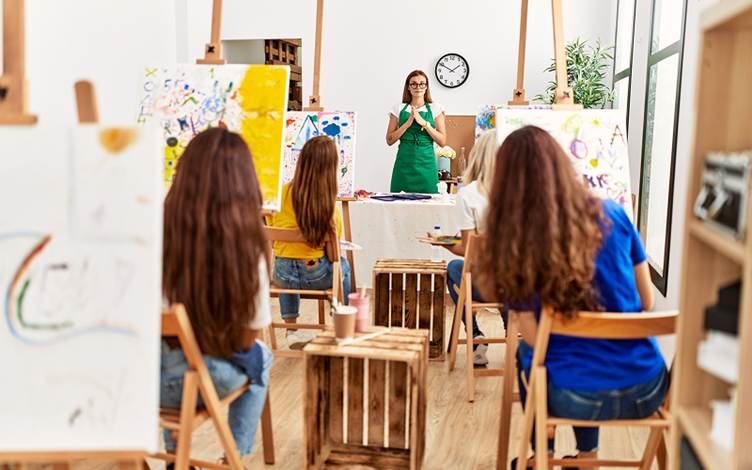
In a typical art jam studio, facilitators might suggest a starting point such as “paint your favourite local hawker scene” or “capture a memory from East Coast Park”. From there, each canvas becomes personal. No two works look the same, and that is the point.
This blend of direction and autonomy works across age groups. Children gain confidence from gentle instruction. Adults appreciate not being micromanaged. Everyone leaves with something uniquely theirs.
Materials Matter More Than Expected
It is tempting to think that creativity thrives regardless of tools. To some extent, that is true. Yet quality materials elevate the experience.
A well-equipped art and craft studio invests in decent canvases, smooth brushes, vibrant acrylics, and safe, non-toxic supplies. The tactile feel of thick paint or textured paper can spark ideas on its own. Even the sound of a brush gliding across canvas adds to the sensory experience.
In Singapore’s humid climate, studios also need to consider ventilation and storage. Paint that dries well, clay that does not crack, and surfaces that are easy to clean all contribute to a smoother session. These operational details may seem mundane, but they shape how participants feel. Frustration over poor tools can quickly dampen enthusiasm.
A Social Experience, Not Just a Solo One
Creativity is often seen as solitary, yet studios thrive on shared energy.
An engaging art jam studio encourages conversation without forcing it. Friends might attend as a weekend activity. Corporate teams may book sessions as bonding exercises. Families sometimes gather around one large table, each working on separate pieces while chatting about school, work, or dinner plans.
There is something comforting about painting alongside others. It mirrors the kopi culture of Singapore, where people gather around small tables to talk and linger. The studio becomes a modern extension of that communal spirit, only with more colour and fewer coffee stains.
For children, social interaction builds confidence. For adults, it becomes a rare chance to disconnect from screens and reconnect with people.
Facilitators Who Encourage, Not Criticise
The human element can make or break the experience.
An inspiring art and craft studio hires facilitators who understand that not everyone wants to be the next Picasso. Some participants come to relax after work. Others attend to explore serious artistic interests. The tone should adapt accordingly.
Encouragement matters more than technical critique for most casual sessions. A facilitator who says, “Try layering that shade for more depth,” rather than “That’s wrong,” changes the atmosphere entirely. It keeps creativity alive.
In an art jam studio setting, guidance is often subtle. A quiet suggestion here, a quick demonstration there. The goal is not perfection. It is engagement.
A Place To Pause In A Busy City
Singapore moves quickly. Deadlines, school runs, MRT rides, notifications buzzing non-stop. Amid all this, creative spaces feel almost like breathing rooms.
An art and craft studio offers structured downtime. Hands are busy, but the mind slows. There is research suggesting that creative activities reduce stress, yet one does not need a study to feel it. Spend an hour mixing colours or shaping clay, and the effect is obvious.
Even seasonal trends play a role. During school holidays or festive periods like Deepavali and Christmas, themed workshops bring communities together. Lantern painting, ornament crafting, or even simple card-making sessions connect art with cultural rhythms.
This connection between creativity and everyday life keeps the studio relevant. It is not an isolated hobby; it becomes part of the local lifestyle.
Conclusion
An inspiring art and craft studio is not defined by size or location. It is shaped by atmosphere, thoughtful design, quality materials, and supportive facilitators. It balances structure with freedom and encourages both quiet focus and lively conversation.
A well-run art jam studio does more than teach painting techniques. It creates space for expression, connection, and pause. In a city that rarely stands still, that pause is valuable.
For those seeking a creative outlet or a meaningful group activity, consider booking a session and experiencing the difference firsthand. Contact Kaleida Studio to explore workshops, host a private session, or plan your next art-filled gathering.