

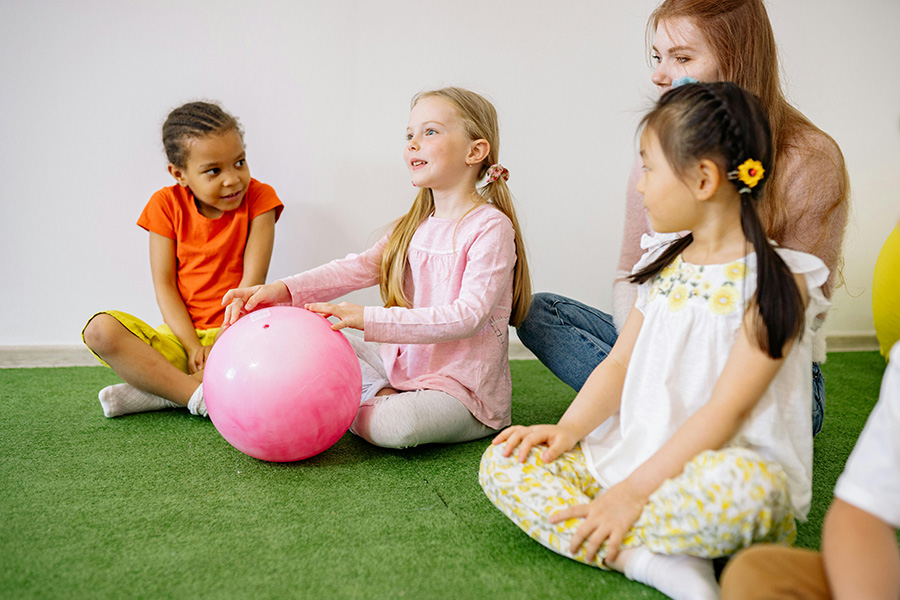
There is something truly extraordinary about watching a young child learn. The way a toddler’s face lights up when they finally work out how to stack blocks without them tumbling down. The intense concentration of a three year old carefully pouring water from one container to another. The sheer delight of a child who has just heard their favourite story for the twelfth time and is still hanging on every word.
These moments might seem small, but they are anything but. Every one of them represents a child’s brain making new connections, building understanding, and laying the groundwork for a lifetime of learning. And the environments in which those moments happen — the nurseries, pre-schools, and kindergartens where children spend their earliest years — matter more than many parents realise.
If you have ever wondered whether early childhood education is really worth it, or found yourself questioning how much it can possibly matter at such a young age, you are not alone. It is one of the most common questions parents ask. The answer, backed by decades of research, is a resounding yes — and here is why.
The Brain in Its Most Powerful Phase
The human brain grows faster in the first five years of life than at any other point. By the time a child starts primary school, their brain has already formed around 90% of the neural connections it will ever have. This is not just a fascinating fact — it has profound implications for how we think about early education.
During these years, children are learning constantly. Not just letters and numbers, but how to manage emotions, how to make and keep friends, how to solve problems, how to communicate, and how to approach challenges with curiosity rather than anxiety. The experiences children have during this window — and crucially, the quality of those experiences — shape these developing pathways in ways that last well into adulthood.
High-quality early childhood education does not just prepare children for school. It shapes the adults they will become.
More Than Just Childcare
It is still surprisingly common to hear early years settings described primarily as childcare — somewhere convenient for working parents to leave their children during the day. And while of course they do provide that vital practical function, reducing them to that alone does a disservice to the extraordinary work that happens within them.
A skilled early years educator is doing something genuinely complex. They are observing each child carefully, tracking their development across multiple areas, identifying where support is needed and where a child is ready to be stretched. They are creating environments that invite curiosity and exploration. They are building warm, trusting relationships with the children in their care — relationships that research shows are one of the most important factors in how well young children settle, learn, and develop.
When you choose a high-quality early years setting for your child, you are not just choosing somewhere safe to leave them. You are choosing a team of professionals who will play a real and lasting role in your child’s story.
The Social Side: Learning to Be Human Together
For many children, their early years setting is the first time they spend significant time with other children their own age. This is enormously important. Social development — learning how to share, take turns, resolve conflict, show empathy, and build friendships — does not happen automatically. It needs to be nurtured.
Good early childhood education provides the perfect environment for this. Children are supported by experienced practitioners to navigate the tricky social moments that are inevitable when you are two or three years old and the concept of sharing still feels deeply unfair. Over time, with consistent, patient guidance, they build the emotional literacy and social skills that will serve them well throughout school and life.
Children who have attended high-quality early years provision tend to arrive at school with stronger communication skills, better emotional regulation, and a greater ability to cooperate with others. These advantages do not disappear quickly — studies have found they can still be measured years later.
Closing the Gap
One of the most compelling arguments for quality early childhood education is its power to close the gap between children from different backgrounds. Children who grow up in households with fewer resources — fewer books, less access to educational experiences, more stress and instability — can arrive at school already significantly behind their peers in language development and school readiness.
A rich, stimulating early years environment can do a great deal to address this. Access to books, stories, conversation, creative play, and positive relationships with caring adults helps all children build the foundations they need — regardless of what is happening at home.
This is why investment in early education is not just good for individual families. It is one of the most powerful tools we have as a society for creating a more equal world.
What Good Early Years Education Looks Like
Not all early years provision is created equal, and it is worth knowing what to look for. The best settings share some common characteristics.
They treat play as the primary vehicle for learning, because that is exactly what it is for young children. They employ staff who are qualified, experienced, and genuinely passionate about child development. They maintain warm, consistent relationships with the children in their care and communicate openly with families. They provide rich, stimulating environments — indoors and outdoors — that invite exploration and spark curiosity.
They also understand that every child is different. A good early years setting does not try to make children learn in the same way at the same pace. It recognises each child as an individual and tailors its approach accordingly.
If you are in the process of finding the right setting for your child, Kensington Kindergarten is a brilliant example of the kind of warm, child-led provision that gives young children the very best start in life.
A Gift That Lasts a Lifetime
As parents, we want so much for our children. We want them to be happy, to be kind, to be confident, to be curious about the world around them. We want them to love learning and to have the resilience to bounce back when things are tough.
A high-quality early childhood education will not guarantee all of those things — nothing can. But it will give your child an extraordinary foundation to build on. The relationships they form, the skills they develop, and the love of learning that a great early years setting can ignite — these are gifts that will stay with them long after they have moved on to primary school and beyond.
The early years are magical. Make sure your child gets to experience them somewhere truly special.