

Key Takeaways
- Hands-on learning helps children understand concepts through real experience rather than memorisation
- Montessori classrooms encourage independence while still supporting social development
- Practical life activities build focus, confidence, and responsibility
- The approach complements the Nursery 2 curriculum in Singapore naturally
- Montessori education supports long-term readiness for formal schooling
Before the alphabet worksheets and spelling lists enter the picture, early childhood education is really about curiosity. About touching, trying, repeating, and sometimes getting things wrong. That is where Montessori kindergartens stand apart. The focus is less on memorisation and more on experience, giving children the space to learn with their hands, their senses, and their own pace.
In Singapore, where early education choices can feel overwhelming, Montessori has quietly built a reputation for being calm, purposeful, and surprisingly effective. Parents may not always notice it right away, but the impact tends to show up later, in confidence, independence, and a genuine love for learning.
Why Hands-On Learning Feels Different and Works
Traditional classrooms often rely on listening and watching. Montessori flips that around. Children touch sandpaper letters, count with beads, pour water between jugs, and fasten buttons on dressing frames. These activities look simple, almost ordinary. Yet they build focus, coordination, and problem-solving in a way lectures never quite manage.
Hands-on learning also respects how young children actually think. Abstract ideas make more sense when they are tied to physical actions. A number is no longer just a symbol on paper. It becomes something that can be held, grouped, and rearranged. That concrete understanding forms a stronger base for later academic work.
This is one reason many families looking for a Montessori kindergarten in Singapore are drawn to the approach. It feels intuitive. Children learn by doing, not by sitting still and being told.
Independence Built Into Everyday Classroom Moments
If you walk inside a preschool in River Valley in Singapore, you will find that something feels different. Children move freely, choose their activities, and tidy up after themselves. No one is hovering every second. That sense of independence is not accidental. It is carefully encouraged through the environment.
Low shelves, child-sized furniture, and accessible materials allow children to act on their own decisions. Want to work with blocks? Go ahead. Ready to switch tasks? That is allowed too. Over time, children learn to trust their judgement and manage their time.
This approach aligns well with the Nursery 2 curriculum in Singapore, where emotional regulation, basic responsibility, and social awareness are becoming just as important as early literacy. Montessori classrooms naturally weave these skills into daily routines, rather than treating them as separate lessons.
Social Skills Without Forced Group Work
Montessori classrooms often appear individual-focused, yet they quietly nurture strong social skills. Children work independently, but they share space, wait their turn, and observe one another.
Older children often help younger ones. Conflicts are handled through calm conversations rather than loud discipline. These interactions teach respect and empathy in a very natural way. No gold stars needed.
In neighbourhoods where community matters, such as families searching for a preschool in River Valley in Singapore, this balance of independence and cooperation feels especially relevant. Children are prepared not just for primary school, but for everyday social situations too.
Hands-On Learning Beyond Academics
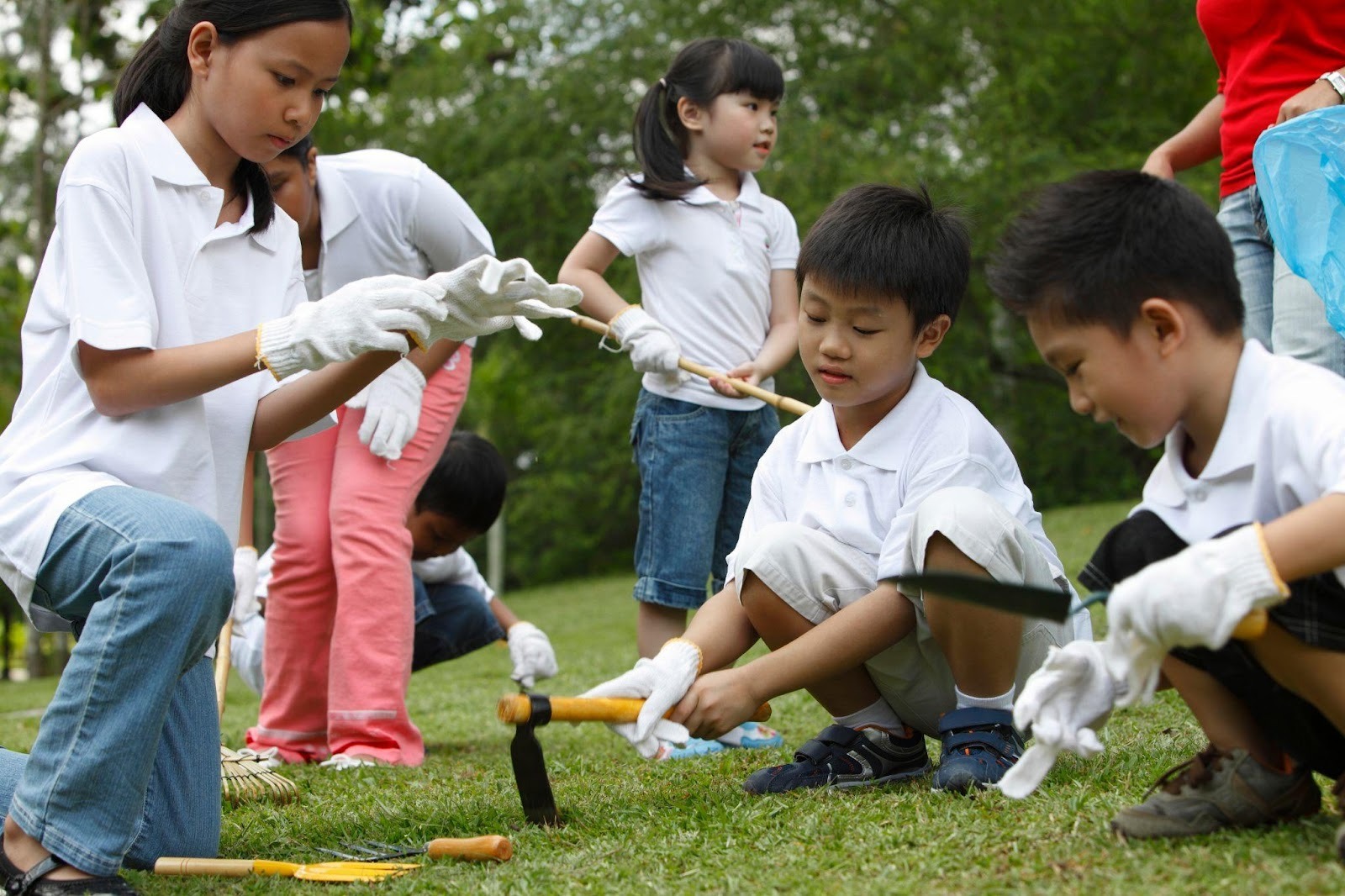
Montessori education is not only about numbers and letters. Practical life activities play a major role. Pouring, sweeping, folding, and food preparation. These tasks may sound domestic, but they build concentration, coordination, and pride.
There is something powerful about a child completing a real task. Not a pretend one, but something useful. It sends a clear message that contributions matter, even at a young age. Over time, this confidence spills into academic learning as well.
Some parents worry that this approach might feel too relaxed. In reality, Montessori environments are structured, just not rigid. Clear expectations exist, but they are communicated through routine and example rather than constant instruction.
Preparing Children For What Comes Next
A common question arises. Does hands-on learning prepare children for more formal schooling later? The answer tends to be yes, often better than expected.
Children from Montessori backgrounds usually enter primary school with strong self-management skills. They know how to focus, follow instructions, and approach new tasks without fear. Academic concepts feel familiar because they have already been explored physically.
That foundation matters, especially in Singapore’s education landscape, where adaptability and confidence can make a real difference over time.
Conclusion
Montessori kindergartens offer more than an alternative teaching style. They offer a different way of seeing children as capable, curious individuals who learn best through experience. By combining hands-on learning, independence, and thoughtful guidance, this approach supports both academic readiness and emotional growth. For families considering early education options, understanding how Montessori works can make the decision feel clearer and more grounded. Schedule a visit to Brighton Montessori to explore whether this approach suits a child’s needs.