
Key Takeaways
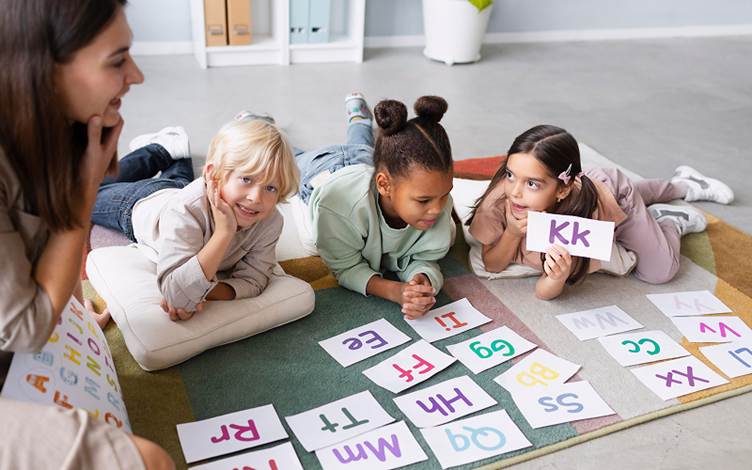
- Small-group lessons give students more chances to speak, practise ideas, and gain confidence steadily.
- Clear feedback in smaller classes helps learners adjust writing and comprehension without feeling rushed.
- Familiar classmates create comfort, which supports regular attendance and consistent learning habits.
- Flexible pacing allows lessons to respond to learner needs while keeping sessions focused and efficient.
Introduction
Learning progress can feel uneven for younger learners balancing language skills, confidence, and classroom expectations. For many families, small-group learning provides a setting where attention feels personal while pressure stays manageable. Smaller class sizes create space for questions, practice, and steady confidence building, which many families seek when evaluating primary English tuition options. Group size becomes a deciding factor for parents comparing options at a tuition centre in Singapore.
How Small Groups Shape Learning Pace
More Chances to Speak and Be Heard
Participation feels less intimidating during lessons with fewer classmates. Speaking up carries lower risk when familiar faces fill the room. Reading aloud and idea sharing happen more frequently, which allows feedback to stay clear and immediate. Frequent speaking opportunities help vocabulary use feel natural instead of rehearsed, a key benefit associated with primary English tuition delivered in small groups. Comfortable participation remains a key reason families assess group size when visiting a tuition centre in Singapore.
Clear Feedback Without Overload
Closer observation becomes possible when groups stay small. Mistakes surface early, which prevents confusion from settling in. Guidance stays timely and relevant without overwhelming learners. Short feedback loops help children adjust writing or comprehension habits during lessons instead of weeks later, a pattern commonly seen in primary English tuition lessons. Small-group planning at a tuition centre in Singapore keeps attention balanced while encouraging learner independence.
Confidence Grows Through Familiar Faces
Peer Learning Without Pressure
Group learning still plays an active part in how students absorb ideas, observe language use, and stay engaged during lessons. Listening to classmates answer questions helps students compare thinking styles and discover new ways to express ideas. Smaller groups reduce social strain, which helps quieter learners stay engaged. Peer discussion feels manageable and friendly during exercises, a learning dynamic frequently linked to primary English tuition in small groups.
Comfort Builds Consistency
Consistency plays a role in learning momentum. Seeing the same tutor and classmates builds routine and trust. Comfort encourages regular attendance and steady effort. Consistent group dynamics help learners settle quickly into lessons without spending time adjusting each session, a benefit many associate with consistent small-group classes. Small groups create a familiar rhythm that helps focus stay on learning tasks.
Lessons Stay Flexible and Practical
Teaching Adapts to Learner Pace
Small groups allow tutors to adjust lesson flow when comprehension varies, which keeps lessons responsive without breaking momentum. Exercises can pause, repeat, or shift based on how students respond, allowing time for clarification without leaving anyone behind. Tutors can spend longer on tricky concepts or move ahead when understanding feels secure, all within the same session. Lesson flexibility helps sessions stay relevant to learner needs, giving families confidence that learning time stays focused and purposeful.
Practice Feels Purposeful
Worksheets and activities feel connected to actual learning goals when groups remain small. Tutors notice patterns in spelling, grammar, or comprehension and adjust activities accordingly. Targeted practice keeps sessions engaging without filler tasks, a quality families recognise in well-run small-group programmes. Small-group lessons keep learning purposeful and time-efficient.
Frequently Asked Questions
- Is small-group English tuition suitable for shy students?
Smaller groups reduce pressure and help quieter learners participate more comfortably over time. - How many students are usually in a small group?
Class sizes stay limited so tutors can observe progress closely and give timely guidance. - Does small-group learning slow down faster learners?
Flexible pacing allows tutors to extend tasks or move ahead when understanding feels secure. - How does feedback work in small-group lessons?
Tutors can address mistakes quickly during lessons, which keeps learning clear and focused. - Can small-group tuition fit busy school schedules?
Regular sessions and consistent timing help families plan without disrupting school routines.
Conclusion
Small-group learning offers clarity, confidence, and consistency for learners handling language development. Attention feels balanced, peer interaction feels comfortable, and lessons stay flexible without losing focus. Environments where progress feels steady and confidence grows naturally remain a key reason families choose primary English tuition for younger learners.
Contact The Eton Academy today to explore how small-group English tuition can fit learning needs and help students move forward with clarity and confidence.